Every Foster Saves Lives

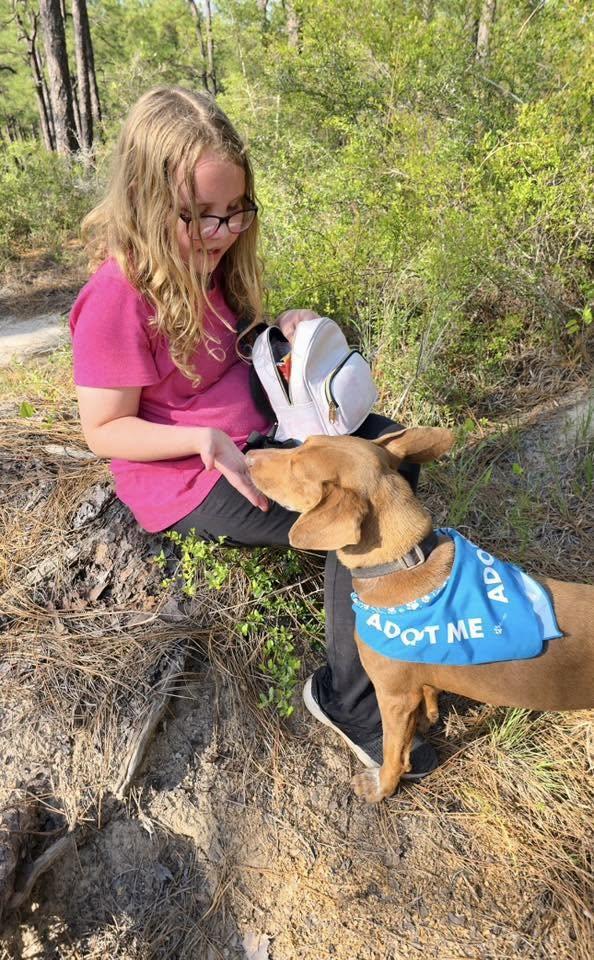
Every time a foster family opens their home, space becomes available for another homeless animal in need. Whether you foster for a few days, several weeks, or longer, you are giving a dog or cat the safety and stability they need while waiting for the right home.
Support for every foster
You Are Not Doing This Alone
Flexible Commitment
Foster stays vary from a few days to several months depending on the animal and their adoption or transport plan.
Medical Care Provided
FAUNA covers approved veterinary care, vaccinations, medications, and other necessary medical treatment.
Support Along the Way
Our foster mentors are available to answer questions and help you navigate your foster pet's needs.
Lifesaving Impact
Every foster home creates space for another homeless animal to receive safety, care, and a second chance.
Frequently Asked Questions
Select a question below to learn more about fostering with FAUNA.
What should I expect?
Taking a foster pet into your home to prepare them for the next phase of their life is a crucial part of the rescue process. Foster families are expected to treat their foster pet like a member of the family and provide daily care, attention, structure, and a consistent routine.
Dogs need exercise, training, enrichment, and opportunities to practice good household habits. Cats need playtime, enrichment, a safe place to settle, and help building trust. Foster families may also need to help manage veterinary appointments and medical-care schedules.
As you get to know your foster cat or dog, you will help FAUNA promote them for adoption by sharing personality information, writing a biography, and taking clear photographs. You may also be asked to bring a foster dog to an adoption event with advance notice.
FAUNA's foster mentors are available to help through text, Facebook, or in person when needed.
What is provided by FAUNA for fosters?
FAUNA works to provide the basic supplies needed to care for your foster cat or dog. Available supplies may include:
- Crate or kennel
- Collar and leash
- Litter box
- Food and water bowls
- Approved veterinary care
- Vaccinations and medications
Supplies that you are able to provide help preserve FAUNA's resources for another animal in need. Many foster families choose to purchase food as an additional donation, but FAUNA will work with you when that is not possible.
Treats and toys may also be available when donated. Anything extra you choose to provide may be tax-deductible, so feel free to spoil your foster pet.
Free summer bath days may also be available for foster dogs.
How long will I have my foster?
The honest answer is: until the animal finds the right home or moves to the next step in their rescue plan.
Some animals need only a few days or weeks of foster care, while others may remain in foster care longer. Every animal's timeline is different.
Some heartworm-negative dogs may be eligible for transport to rescue partners in other states. In those cases, a foster home may only be needed for a short period while transportation is arranged. Even a short foster stay creates room for another dog to leave Animal Control.
What if I go on vacation while fostering?
FAUNA has a network of volunteers who may be able to provide temporary care while foster families travel.
Volunteers may also sign up specifically as foster sitters. Advance notice is very helpful so FAUNA has time to coordinate temporary care.
Will I be sad when my foster animal is adopted?
Letting a foster pet go can be emotional, especially the first time. Nearly every experienced foster family understands that feeling.
Seeing an animal join a loving family is also incredibly rewarding. You helped prepare that pet for success and made room for another animal to be rescued.
When appropriate, FAUNA can help foster families and adopters share updates during the transition. Many adopters enjoy sending photos and stories, and local adopters may visit FAUNA events with their new family member.
What if I want to adopt my foster cat or dog?
It happens all the time. We lovingly call it a “foster failure,” although finding the perfect home is always a success.
Contact FAUNA as soon as you believe your foster pet may belong with your family so the team can explain the adoption process and confirm the next steps.
Foster Failure
Sometimes the Perfect Home Is Yours
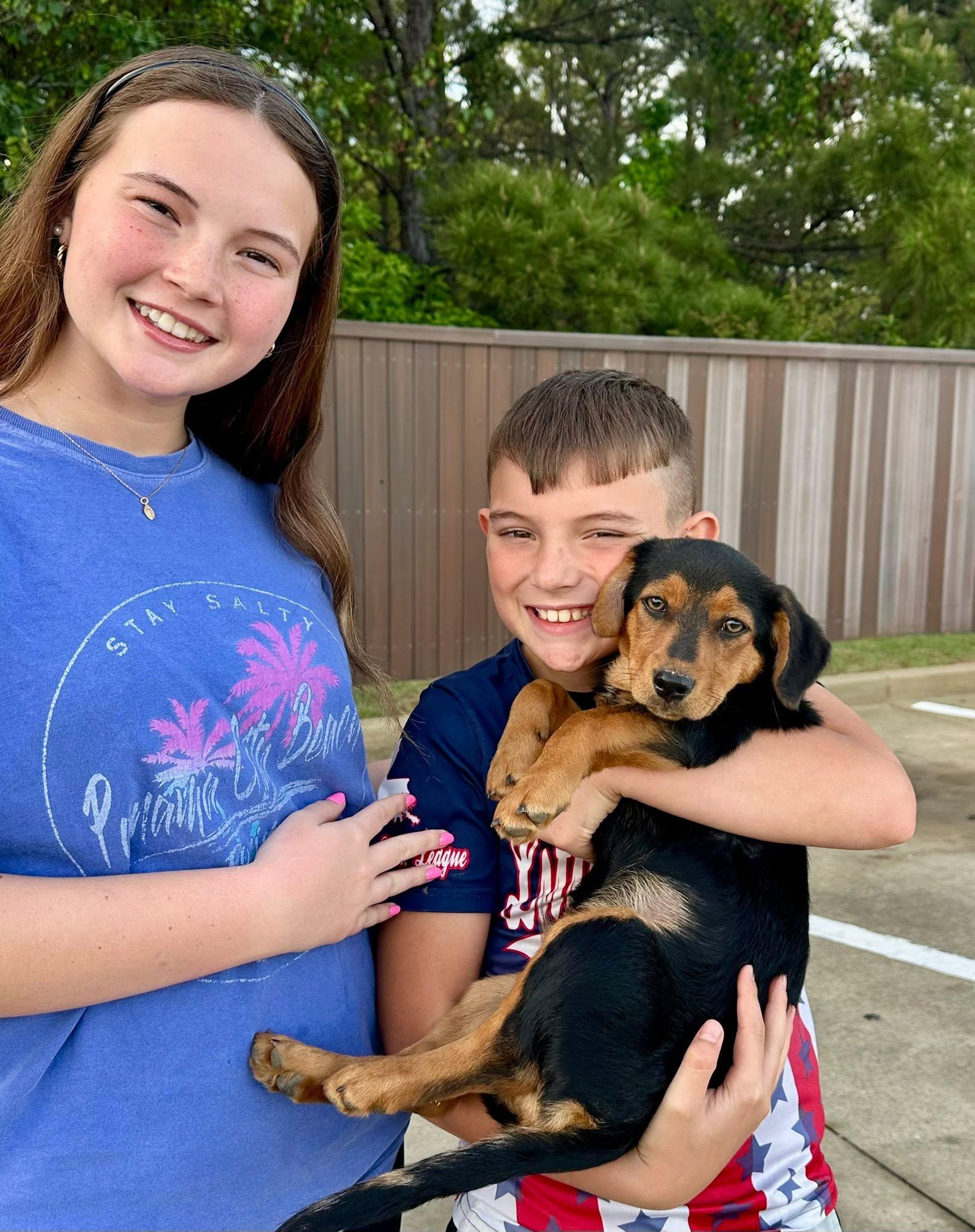
Falling in love with your foster pet happens all the time. We may jokingly call it a foster failure, but helping an animal find their forever family is always a success.
Dog Foster Questions
Preparing Your Home for a Foster Dog
I do not have a fence. Is that okay?
A secure fence is preferred, but it is not always required. Foster dogs must remain safely secured outdoors.
If you are comfortable putting your foster dog on a leash and going outside with them every time, you may still be able to foster. Regular leash walks are encouraged because they help dogs prepare for routines they may have in their future homes.
Can my foster dog be loose in my house during the day?
During the adjustment period, FAUNA recommends keeping foster dogs in a secure crate or kennel when you are away from home and when you are asleep.
This helps protect your home, keeps the dog safe, and builds a routine that may continue in their adoptive home.
Foster dogs should not be left outside unattended. Many rescue dogs are frightened by storms, unfamiliar noises, or sudden changes in their environment.
Am I ready for fostering?
You may not know until you try. FAUNA will do its best to match you with an animal whose needs fit your household, experience, schedule, and comfort level.
Fostering is a learning experience, and you will not be expected to know everything on the first day. The foster team will help you build confidence along the way.